Hey! I’m Craig,
I’m a Senior UX/UI and Product Designer with 23 years of experience working across digital agencies, software houses and in-house teams — spanning industries from government and finance to telecoms, healthcare, tech and beyond.
I love making interfaces look great — but the user’s experience greater.
01.
BT – Billing platform
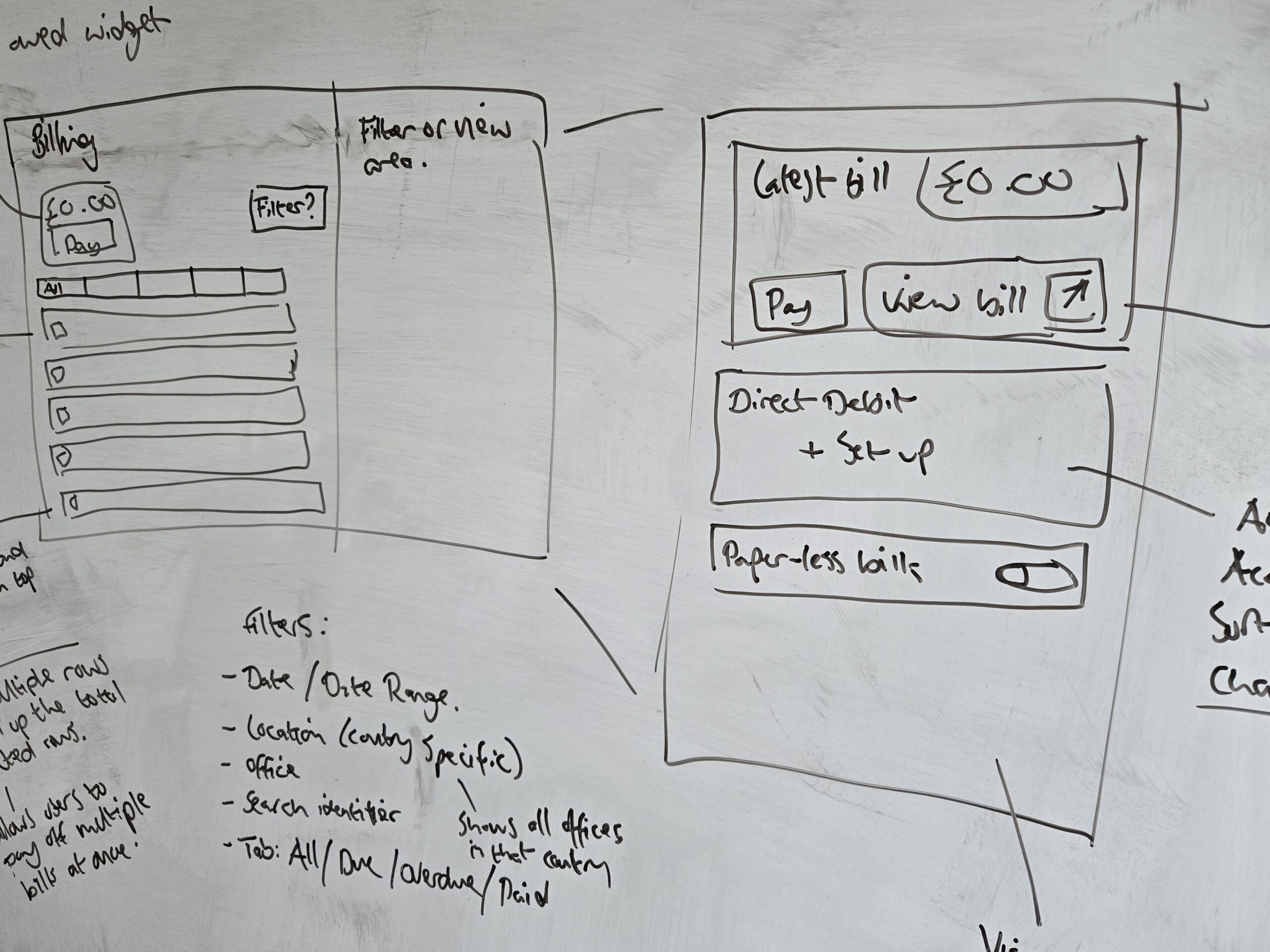
BT’s billing platform for small and medium businesses hadn’t been meaningfully redesigned in over 30 years. I joined as the sole designer on a full platform transformation – driving an AI-assisted analysis of over 2,000 customer support calls to identify what was actually going wrong, running stakeholder workshops to set the design direction, and eventually building and leading a team of 30 designers as the project scaled.
The redesign covered everything from bill viewing, comparison and prediction through to Direct Debit setup, multi-action billing and full multi-account and multi-site support.
02.
Gamma – Portal Evolution
Gamma is the UK’s #1 SIP Trunks provider, and their Portal was the central hub for managing it all – but it had grown into something nobody could navigate. 147 links in the menu, order journeys requiring up to 88 clicks, no price transparency and users calling support to make even the smallest account changes.
I mapped every single page, interviewed users across the full order journey and redesigned the platform from the ground up. Navigation went from 147 links to two clear sections.
The SIP Trunk order journey dropped from 52-88 clicks down to 15-30. A new self-serve My Products area meant users could manage upgrades, bolt-ons and site details themselves – without picking up the phone.

03.
Amethyst – Gamma design system
Gamma’s UX team was growing fast but working inconsistently – different products, different patterns, no shared language.
I championed the idea of a design system, ran a naming workshop and built Amethyst from scratch over 18 months. Named after the inventor’s stone – and conveniently matching Gamma’s brand colour – Amethyst became the single source of truth for everything Gamma designed and built.
Fully tokenised for light and dark mode, built on Atomic Design methodology, documented in Frontify and connected to Storybook for developer handoff.
Nine designers working from one system, planned to roll out across every Gamma service.
04.
Experian Insights
Experian’s internal analytics tool – originally called BI Reporting – was a frustrating experience.
Reports were buried in a folder structure that gave no indication of what was inside, leaving users cycling through empty folders and starting over.
I spent nearly two years redesigning the platform end to end, from navigation and report library through to customisable dashboards and a new product identity.
The tool was rebranded as Insights, click count to access a report dropped from 6-8 down to 4, and the user testing feedback said it all – “would give some of the other BI tools a run for their money.”

05.
HYPE – Stock availability and Website revamp
HYPE’s e-commerce site had a serious problem – customers were completing an 18-click checkout, paying, and then being told the item was out of stock.
I dug into three months of Trustpilot and Zendesk data, mapped the pain points and redesigned the experience from the ground up.
A Quick Add feature surfaced size availability before customers even clicked through to a product.
Saved payment details brought the checkout down to 4 clicks for returning customers. A full order communication system replaced the previous silence with timely, friendly updates at every stage of the journey. The Trustpilot rating climbed from 3.7 to 4.3.
06.
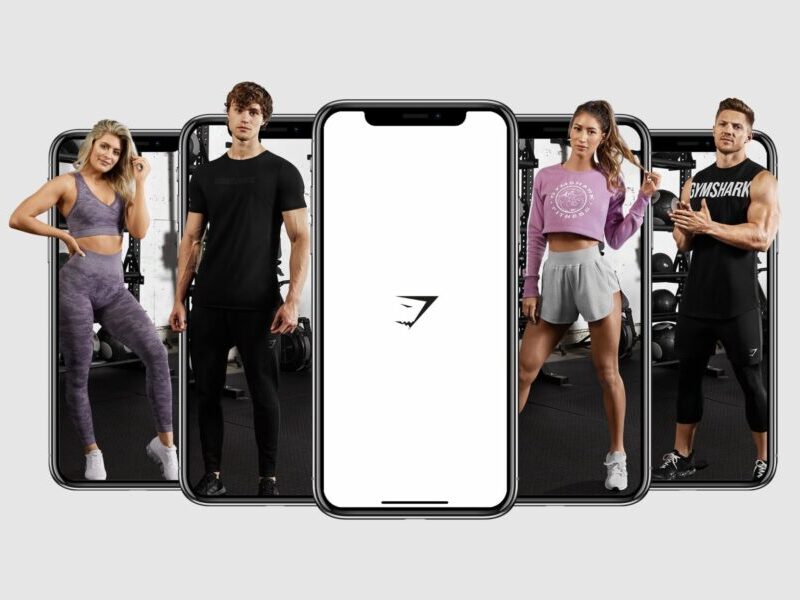
Gymshark – Workout app concept
Gymshark set me a design brief: concept a workout app for social natives who wanted to train with their favourite athletes, learn from the pros and track their workouts.
I did the research, mapped competitor journeys, identified accessibility issues in the existing app and redesigned the home screen, onboarding, empty states and content discovery experience.
I also went beyond the brief – designing an interactive muscle map overlay that showed users which muscle groups each exercise targeted in real time. The role didn’t work out, but the concepts did. Most of what I designed found its way into the Gymshark product.
07.
STERIS – Collect and Deliver
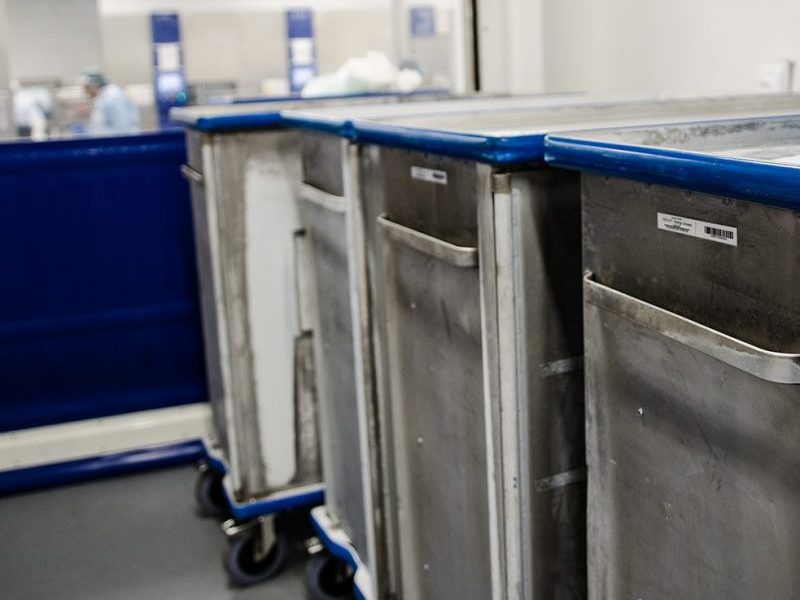
Leicester hospitals were logging around 80 defects a week – trolleys ending up at the wrong hospitals, delivery logs filled in wrong, a whole chain of human error baked into a pen and paper process.
I spent a day shadowing porters in the field, then designed a native Android app for the Bluebird device that digitised the entire collection and delivery process.
Porters scan their location, scan their trolleys, and the app handles the rest – even when hospital signal drops out. The results were hard to argue with: 100% delivery improvement and a 44% productivity increase.
08.
Hack24 – Byte Ya Matez
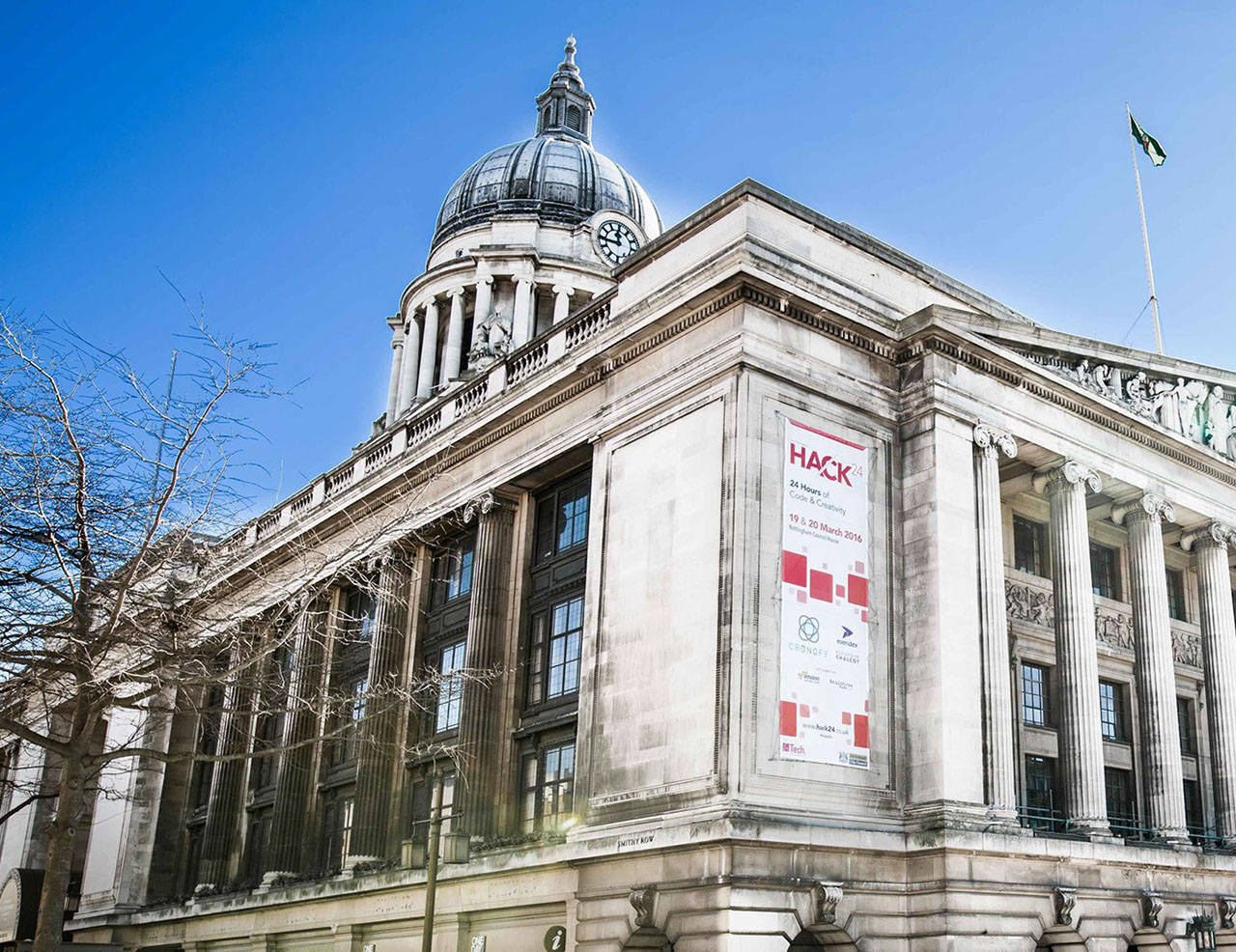
Hack24 is a 24-hour coding competition run by Tech Nottingham, and while I was at UNiDAYS our team decided to enter.
The brief from Esendex was simple – make communication better. We used their Multi-channel API paired with a mapping API to build Byte Ya Matez – a real-world game of tag played across the city using your phone.
Zombies vs Humans, NFC tagging, power zones and a zombie crawling across the loading screen. All designed and built in 24 hours.
09.
UNiDAYS native app
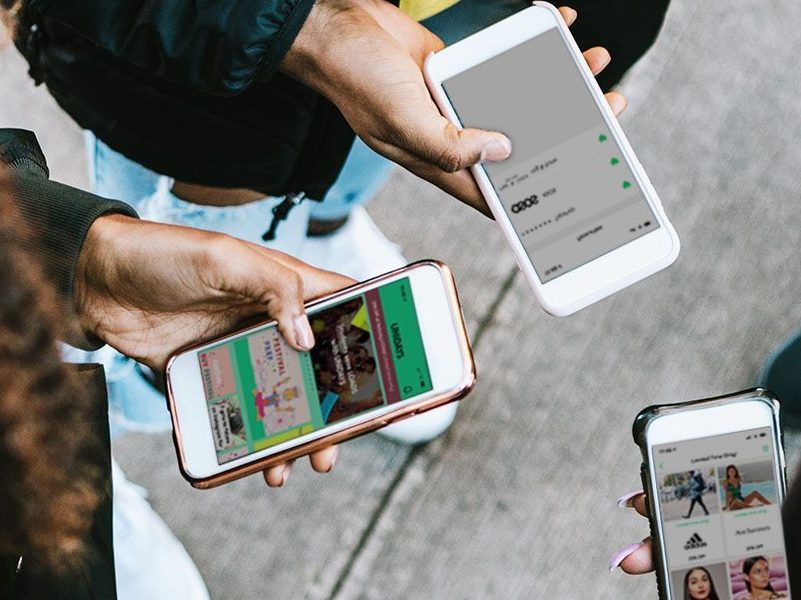
UNiDAYS needed to move from a dynamic website to a fully native iOS and Android app – without alienating existing users or breaking the commercial model that kept the business running.
Over eight months I took the project from research and focus groups with students through to launch. The app felt immediately familiar on both platforms, met WCAG accessibility standards, and launched in time for the new academic year – breaking into the App Store top 25 and Google Play top 100.
10.
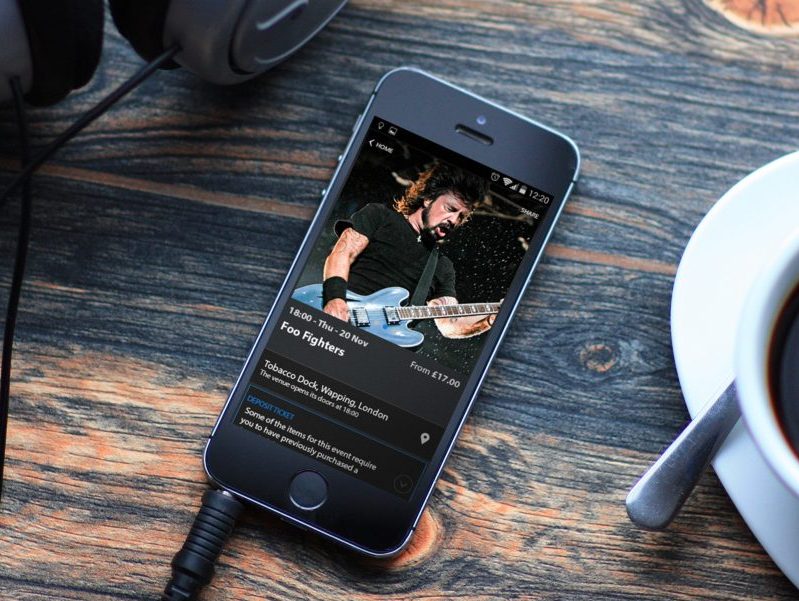
See Tickets mobile site
See Tickets’ mobile experience was, bluntly, just the desktop site loaded on a phone. Users were pinching and zooming to tap links the size of a fingernail – not exactly ideal when you’re trying to buy gig tickets on your commute.
I redesigned the mobile site from scratch with a proper responsive experience across iOS, Android and Windows, cutting the average purchase time from 10 minutes down to under 3. A 76% improvement – and a much happier commuter.
11.
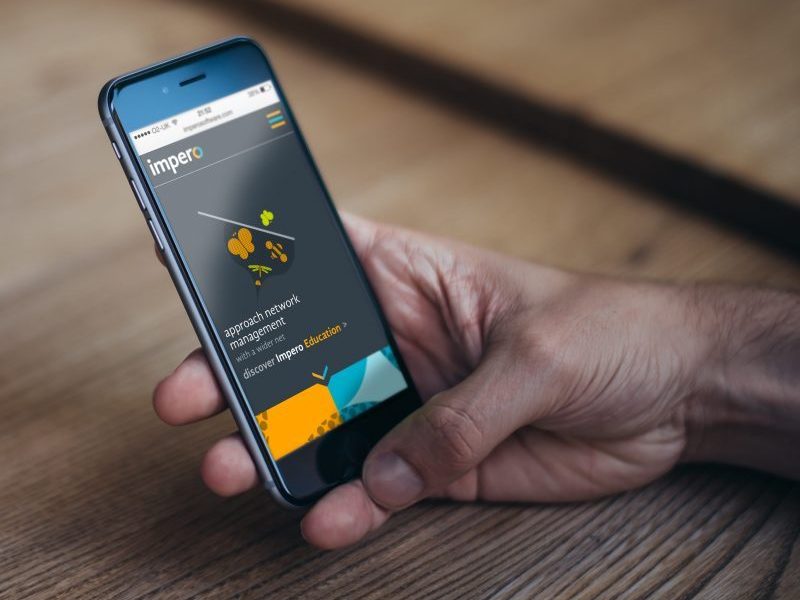
Impero – Remote Manager
Impero operate across two sectors – Education and Workplace – and needed a complete rebrand to match.
I built their visual identity from scratch, covering everything from the corporate logo system and colour palettes through to brand guidelines, print materials, stationery, exhibition stands up to 15 metres wide and the website.
Remote Manager was the product I had the most direct involvement in, handling the UI design, icon design and product branding.
12.
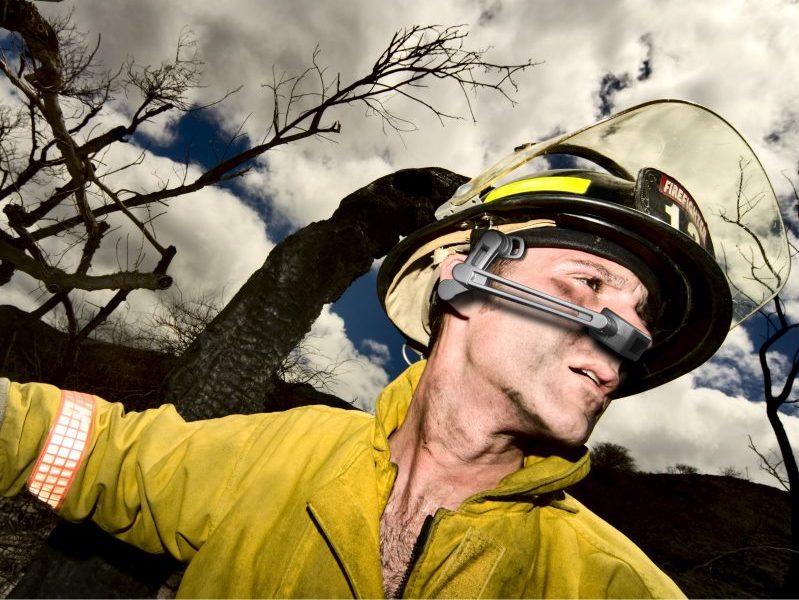
Ikanos – LifeBoard and Pro Series
Ikanos build software for wearable technology, and I worked across two distinct product lines during my time there.
LifeBoard was a patented consumer concept I created – a customisable dashboard for Kopin’s Golden-i voice-controlled headset, giving users hands-free access to documents, calendars, news, social media and video calls.
The Pro Series – Paramedic Pro, Police Pro and Firefighter Pro – took the same platform and tailored it for frontline professionals who needed fast, reliable access to critical information in high-pressure environments.
Hey! I’m Craig,
I’m a Senior UX/UI and Product Designer with over 25 years of experience working across digital agencies, software houses and in-house teams – spanning industries from healthcare and finance to fashion, gaming, telecoms and beyond!
My work sits at the intersection of UX and UI. I care just as much about how something feels to use as how it looks – whether that’s mapping out a user flow, running research, building a design system from scratch, or crafting an interface that people actually enjoy opening. I’ve worked on everything from native apps and SaaS platforms to hands-free voice-controlled interfaces, and I’m just as comfortable going deep on a single product as I am shaping design across an entire organisation.
I fit into teams quickly, I enjoy a challenge, and I genuinely love what I do.
I love making interfaces look great – but the user’s experience greater.
01.
BT – Billing platform
BT’s billing platform for small and medium businesses hadn’t been meaningfully redesigned in over 30 years. I joined as the sole designer on a full platform transformation – driving an AI-assisted analysis of over 2,000 customer support calls to identify what was actually going wrong, running stakeholder workshops to set the design direction, and eventually building and leading a team of 30 designers as the project scaled.
The redesign covered everything from bill viewing, comparison and prediction through to Direct Debit setup, multi-action billing and full multi-account and multi-site support.
02.
Gamma – Portal Evolution
Gamma is the UK’s #1 SIP Trunks provider, and their Portal was the central hub for managing it all – but it had grown into something nobody could navigate. 147 links in the menu, order journeys requiring up to 88 clicks, no price transparency and users calling support to make even the smallest account changes.
I mapped every single page, interviewed users across the full order journey and redesigned the platform from the ground up. Navigation went from 147 links to two clear sections.
The SIP Trunk order journey dropped from 52-88 clicks down to 15-30. A new self-serve My Products area meant users could manage upgrades, bolt-ons and site details themselves – without picking up the phone.
03.
Amethyst – Gamma design system
Gamma’s UX team was growing fast but working inconsistently – different products, different patterns, no shared language.
I championed the idea of a design system, ran a naming workshop and built Amethyst from scratch over 18 months. Named after the inventor’s stone – and conveniently matching Gamma’s brand colour – Amethyst became the single source of truth for everything Gamma designed and built.
Fully tokenised for light and dark mode, built on Atomic Design methodology, documented in Frontify and connected to Storybook for developer handoff.
Nine designers working from one system, planned to roll out across every Gamma service.
04.
Experian Insights
Experian’s internal analytics tool – originally called BI Reporting – was a frustrating experience.
Reports were buried in a folder structure that gave no indication of what was inside, leaving users cycling through empty folders and starting over.
I spent nearly two years redesigning the platform end to end, from navigation and report library through to customisable dashboards and a new product identity.
The tool was rebranded as Insights, click count to access a report dropped from 6-8 down to 4, and the user testing feedback said it all – “would give some of the other BI tools a run for their money.”
05.
HYPE – Stock availability and Website revamp
HYPE’s e-commerce site had a serious problem – customers were completing an 18-click checkout, paying, and then being told the item was out of stock.
I dug into three months of Trustpilot and Zendesk data, mapped the pain points and redesigned the experience from the ground up.
A Quick Add feature surfaced size availability before customers even clicked through to a product.
Saved payment details brought the checkout down to 4 clicks for returning customers. A full order communication system replaced the previous silence with timely, friendly updates at every stage of the journey. The Trustpilot rating climbed from 3.7 to 4.3.
06.
Gymshark – Workout app concept
Gymshark set me a design brief: concept a workout app for social natives who wanted to train with their favourite athletes, learn from the pros and track their workouts.
I did the research, mapped competitor journeys, identified accessibility issues in the existing app and redesigned the home screen, onboarding, empty states and content discovery experience.
I also went beyond the brief – designing an interactive muscle map overlay that showed users which muscle groups each exercise targeted in real time. The role didn’t work out, but the concepts did. Most of what I designed found its way into the Gymshark product.
07.
STERIS – Collect and Deliver
Leicester hospitals were logging around 80 defects a week – trolleys ending up at the wrong hospitals, delivery logs filled in wrong, a whole chain of human error baked into a pen and paper process.
I spent a day shadowing porters in the field, then designed a native Android app for the Bluebird device that digitised the entire collection and delivery process.
Porters scan their location, scan their trolleys, and the app handles the rest – even when hospital signal drops out. The results were hard to argue with: 100% delivery improvement and a 44% productivity increase.
08.
Hack24 – Byte Ya Matez
Hack24 is a 24-hour coding competition run by Tech Nottingham, and while I was at UNiDAYS our team decided to enter.
The brief from Esendex was simple – make communication better. We used their Multi-channel API paired with a mapping API to build Byte Ya Matez – a real-world game of tag played across the city using your phone.
Zombies vs Humans, NFC tagging, power zones and a zombie crawling across the loading screen. All designed and built in 24 hours.
09.
UNiDAYS native app
UNiDAYS needed to move from a dynamic website to a fully native iOS and Android app – without alienating existing users or breaking the commercial model that kept the business running.
Over eight months I took the project from research and focus groups with students through to launch. The app felt immediately familiar on both platforms, met WCAG accessibility standards, and launched in time for the new academic year – breaking into the App Store top 25 and Google Play top 100.
10.
See Tickets mobile site
See Tickets’ mobile experience was, bluntly, just the desktop site loaded on a phone. Users were pinching and zooming to tap links the size of a fingernail – not exactly ideal when you’re trying to buy gig tickets on your commute.
I redesigned the mobile site from scratch with a proper responsive experience across iOS, Android and Windows, cutting the average purchase time from 10 minutes down to under 3. A 76% improvement – and a much happier commuter.
11.
Impero – Remote Manager
Impero operate across two sectors – Education and Workplace – and needed a complete rebrand to match.
I built their visual identity from scratch, covering everything from the corporate logo system and colour palettes through to brand guidelines, print materials, stationery, exhibition stands up to 15 metres wide and the website.
Remote Manager was the product I had the most direct involvement in, handling the UI design, icon design and product branding.
12.
Ikanos – LifeBoard and Pro Series
Ikanos build software for wearable technology, and I worked across two distinct product lines during my time there.
LifeBoard was a patented consumer concept I created – a customisable dashboard for Kopin’s Golden-i voice-controlled headset, giving users hands-free access to documents, calendars, news, social media and video calls.
The Pro Series – Paramedic Pro, Police Pro and Firefighter Pro – took the same platform and tailored it for frontline professionals who needed fast, reliable access to critical information in high-pressure environments.